10 Minute Read
12 Foods to Avoid on Eliquis for Better Health
Eliquis does not require the same strict vitamin K diet rules as warfarin. Still, certain foods, drinks, herbs, supplements, and over-the-counter products may raise bleeding risk or affect how the medicine works. People searching for what not to take with Eliquis should focus on medication safety, consistency, and medical guidance.
Eliquis (apixaban) helps prevent dangerous blood clots, but everyday choices can quietly raise your risk of bleeding. Certain foods, drinks, and supplements may interfere with how it works or increase side effects.
The main concern is bleeding risk and interactions with specific substances. The prescribing information notes that Eliquis can increase bleeding risk and that some medications may raise apixaban levels or add to that risk.
Knowing these interactions can help you make safer choices and lower the chance of complications.
Can You Eat Leafy Greens While Taking Eliquis?
Many people ask if spinach, kale, broccoli, or collard greens must be avoided while taking Eliquis. The short answer is no. Eliquis does not work through vitamin K the way warfarin does.
Warfarin users often need a consistent vitamin K intake. Eliquis users usually do not have that same restriction. A healthy diet with vegetables can still support:
- Heart health
- Weight control
- Overall wellness.
Leafy greens may still matter for other reasons. A patient with kidney disease, heart failure, or another condition may have separate diet limits. A doctor or dietitian can provide personal guidance.
Safe habits include:
- Eating vegetables in steady, normal amounts
- Avoiding sudden extreme diet changes
- Reporting unusual bruising or bleeding
- Asking a pharmacist before adding supplements
Patients should never stop Eliquis because of diet confusion. Stopping early can raise the risk of blood clots. The official label warns that premature discontinuation of Eliquis can increase thrombotic event risk.
What Foods Should Be Avoided With Eliquis?
No single food is banned for every person who takes Eliquis. Still, some foods, beverages, and natural products deserve caution.
The concern is not always a direct food interaction. In many cases, the concern is added bleeding risk.
People asking about what not to take with Eliquis should think beyond meals. Herbal products, concentrated extracts, teas, alcohol, and non-prescription pain relievers can matter. The Eliquis label notes that drugs affecting hemostasis, including aspirin, other antiplatelet agents, SSRIs, SNRIs, and NSAIDs, can increase bleeding risk.
Medical guidance should always come first. Patients should ask their prescriber before changing diet, supplements, or medicine routines.
Now, let’s look a little deeper at the 12 foods to avoid with Eliquis.
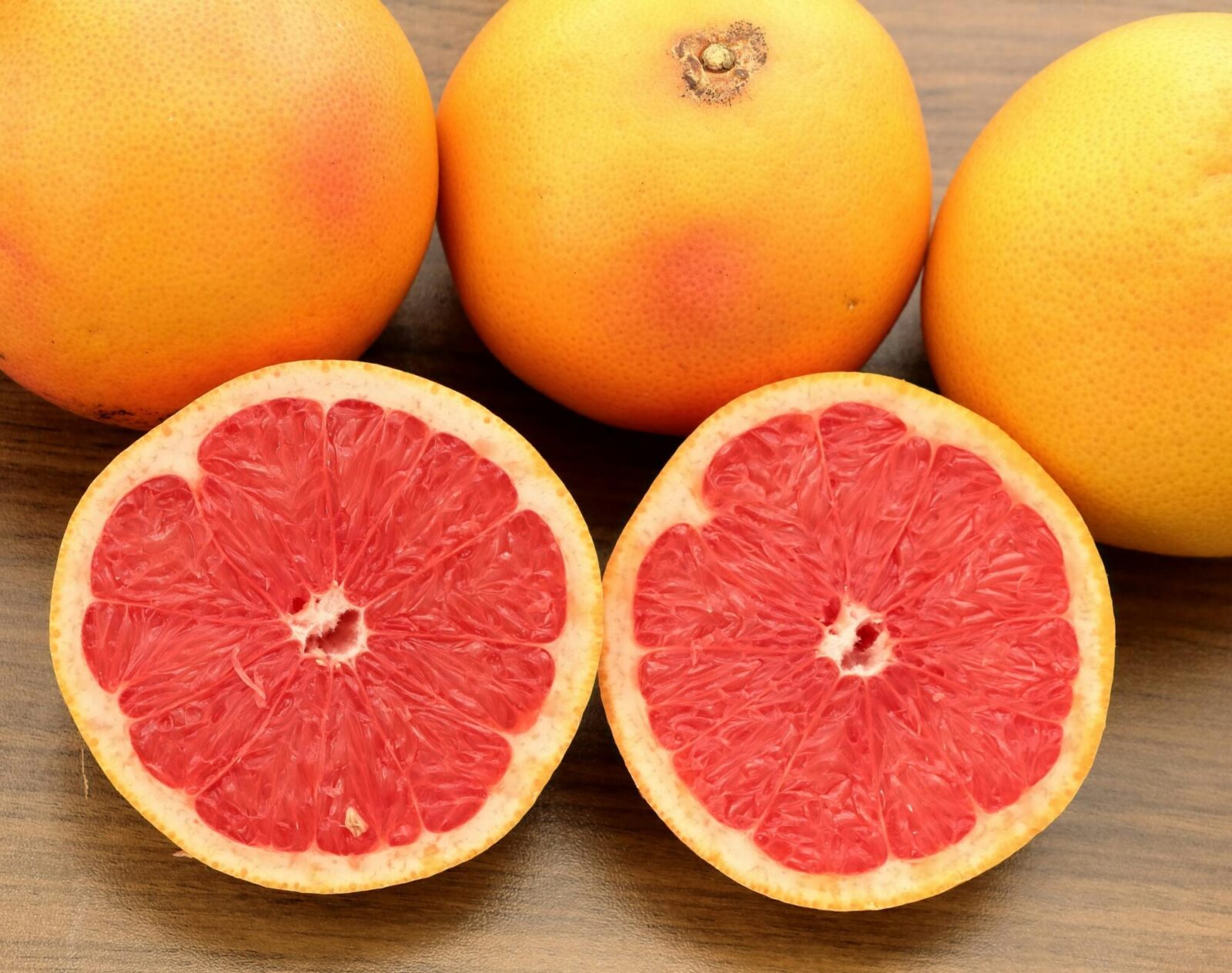
1. Grapefruit
Grapefruit is one of the most common foods discussed with prescription drug interactions. It can affect enzymes that help process certain medications. Some health sources warn that grapefruit may increase Eliquis levels and raise bleeding risk in some patients.
2. Grapefruit Juice
Grapefruit juice deserves its own warning because it can be consumed in larger amounts than the fruit. A full glass may expose the body to more compounds than a few bites of grapefruit.
People often drink juice daily without thinking of it as medicine-related. Regular use can create a steady interaction concern. Patients taking Eliquis should ask their clinician before drinking grapefruit juice often.
3. Pomelos
Pomelos are related to grapefruit. They may affect similar pathways in the body. Since research and medication guidance can vary, caution is wise.
Pomelos are large citrus fruits with a sweet taste. Many people do not realize they can act like grapefruit in some drug interaction discussions. Anyone taking Eliquis should avoid frequent pomelo intake unless a healthcare provider says it is safe.
4. Seville Oranges
Seville oranges are bitter oranges often used in marmalade. They may also appear in:
- Some sauces
- Specialty drinks
- Supplements
Regular sweet oranges are not the same as Seville oranges. Patients who enjoy marmalade should check the label. Bitter orange products may also appear in weight-loss supplements, which can create added risk.
Food labels matter when using blood thinners.
5. Alcohol
Alcohol is not a food, yet it belongs on any serious safety list. Drinking can raise:
- Bleeding risk
- Irritate the stomach,
- Increase fall risk
- Affect judgment
Heavy drinking can also harm the liver, which plays a role in processing many medicines.
People taking Eliquis should ask their doctor how much alcohol is safe for them. Some patients may need to avoid it fully. Others may be told to limit it.
Extra caution applies to patients who:
- Have liver disease
- Have a history of ulcers
- Fall often
- Take aspirin, NSAIDs, or antidepressants
- Have had bleeding before
6. Cranberry Products in Large Amounts
Cranberry juice, cranberry pills, and cranberry concentrates are often used for urinary tract health. Normal food amounts may be fine for many people. Large amounts or supplements may need caution.
Cranberries have been discussed more often with warfarin, but patients on Eliquis should still be careful with concentrated products. Many cranberry supplements are stronger than a serving of food.
Patients should ask a pharmacist before using cranberry capsules with Eliquis. A pharmacist can check the full medication list and look for other bleeding risks.
7. Garlic Supplements and Heavy Garlic Intake
Garlic in normal cooking is usually not the main concern. Garlic capsules, garlic extracts, and very high garlic intake may be different.
Garlic may have mild blood-thinning effects. Added to Eliquis, the concern is a higher chance of bruising or bleeding. Risk can rise further when a person also takes:
- Aspirin
- Ibuprofen
- Naproxen
- Fish oil
- Certain antidepressants
8. Ginger Supplements and Concentrated Ginger Drinks
Ginger is common in tea, smoothies, wellness shots, and supplements. Small amounts in cooking are usually less concerning. Concentrated ginger products may raise bleeding concerns for some people.
Wellness shots can be strong. Some contain ginger, turmeric, cayenne, citrus extracts, and other ingredients. The label may look natural, but natural does not always mean safe with Eliquis.
9. Turmeric and Curcumin Supplements
Turmeric is a spice used in curry and many recipes. Curcumin is the active compound often sold in capsules. Supplements can deliver much higher amounts than food.
10. Ginkgo Tea and Ginkgo Supplements
Ginkgo is often promoted for memory and circulation. It may also affect bleeding risk. Ginkgo tea and capsules can create concern for people taking blood thinners.
Eliquis already reduces clotting. Adding ginkgo may increase risk without adding proven benefit for many patients. A healthcare provider should review it first.
11. St. John’s Wort Products
St. John’s wort is a major caution item. It can affect medication metabolism and may lower levels of certain drugs.
The Eliquis label warns against combined P-gp and strong CYP3A4 inducers because they can reduce apixaban levels and raise the risk of stroke or other clotting events. St. John’s wort is listed as an example in some Eliquis labeling.
12. Willow Bark Tea and Natural Pain Products
Willow bark is sometimes called “natural aspirin.” It may appear in:
- Teas
- Capsules
- Pain relief blends
Since aspirin and similar products can increase bleeding risk with Eliquis, willow bark deserves caution.
Other Products to Discuss With Your Doctor
Foods are only one part of Eliquis safety. Many interactions involve:
- Drugs
- Supplements
- Health conditions
Patients should ask before using:
- Aspirin unless prescribed
- Ibuprofen or naproxen
- Other blood thinners
- Fish oil capsules
- High-dose vitamin E
- Antidepressants such as SSRIs or SNRIs
- Antifungal or antibiotic medicines with interaction risks
Eliquis side effects can become more serious when several bleeding-risk products are combined.
Common warning signs include:
- Unusual bruising
- Red or black stools
- Pink urine
- Coughing blood
- Vomiting blood
- Severe headache
- Dizziness
- Weakness
- Bleeding that will not stop
Emergency care may be needed for serious bleeding symptoms.
Frequently Asked Questions
Can I Eat Salad While Taking Eliquis?
Yes, most people can eat salad while taking Eliquis. Leafy greens do not block Eliquis the same way they can affect warfarin.
A balanced diet with vegetables can support heart and digestive health. Patients should still avoid sudden extreme diet changes without medical advice. Anyone with kidney disease, heart failure, diabetes, or special diet limits should ask a clinician for personal guidance.
What Pain Reliever Should I Avoid With Eliquis?
Many patients are told to avoid NSAIDs such as ibuprofen and naproxen unless their doctor approves them. Aspirin can also raise bleeding risk when combined with Eliquis unless it is part of a prescribed treatment plan.
Safer pain relief depends on the person’s health history. A doctor or pharmacist should review all pain medicines, including over-the-counter products.
Should I Stop Eliquis Before Eating Risky Foods?
No, patients should not stop Eliquis because of a food concern. Stopping Eliquis without medical direction can increase clot risk.
A safer step is to call a doctor or pharmacist and ask what to do. Medical guidance is especially important after:
- Unusual bleeding
- A fall
- Surgery planning
- Accidental use of a risky supplement
Shop With Confidence: What Not to Take With Eliquis and Where to Save
Knowing what not to take with Eliquis helps patients protect their health while staying consistent with treatment.
U.S. customers who need affordable prescription access can explore Canadian Pharmacy Online for convenient ordering and home delivery. They focus on making quality medication easier to access while helping customers manage costs through a guided, low-stress shopping process. Customers can search for medications such as Eliquis, Cialis, Viagra, Xarelto, Ozempic, Jardiance, and more.
Shop at Canadian Pharmacy Online today and order the medication you need with more confidence.